Be yourself; Everyone else is already taken.
— Oscar Wilde.
This is the first post on my new blog. I’m just getting this new blog going, so stay tuned for more. Subscribe below to get notified when I post new updates.
Be yourself; Everyone else is already taken.
— Oscar Wilde.
This is the first post on my new blog. I’m just getting this new blog going, so stay tuned for more. Subscribe below to get notified when I post new updates.
My junior year at Grand Valley was my first year starting my new career path as a public relations and advertising major from previously being Pre-Vet. Looking back at the beginning of the winter semester, I was pretty much clueless on what exactly public relations is. My original idea of it was the way companies and businesses got their name and purpose out into the world. There are still so many different definitions of PR but after having more experience with it this semester, I am continuing to add onto that definition.
From this semester, I have gathered that public relations is indeed a way for companies to get their image out to the public, but there is so much more to it. I have learned that public relations is essential in order for a business to survive. Public relations also allows for new, long-lasting, business relationships to form.
When looking at new career paths at the end of last semester, public relations stuck out to me because it seemed challenging. Now I have realized that it WILL be challenging but it will be worth it. I love learning new things and I believe that this path will teach me so many new things while making a difference in the world. In the middle of this semester, I started researching different PR jobs and the one that stuck out to me was a Public Relations Specialist. When looking at the job description of what a PR specialist is on glassdoor, it states that these specialists are responsible for “growing, shaping, and maintaining a company’s reputation and brand.” This job will allow me to constantly keep growing and learning new things. I want to be able to maintain a positive image for the company I am working for.
During this semester, I was required to create a campaign planbook in my CAP 220 class for a real life client. As this campaign was challenging, it was also so fun and rewarding. I love how I felt like I was in the real world working on a project for my company. I also felt like what I was doing was really making a change. I had a group throughout this whole semester in my class and it was like working with other co-workers towards the same end goal. It showed me a lot about teamwork as well as the importance of communication.
Looking back at the beginning of the semester, I have more appreciation and respect for public relations. I am keeping my definition of public relations open throughout the rest of my time during college. The more that I learn, the more that I will add onto it. I am so thankful for how wonderful my professors were on teaching this subject. My plan for my senior year is to keep moving forward and to learn as much as possible. I am also so excited to get an internship next semester! I am so happy that I made the switch from Pre-Vet to Public Relations and Advertising because now I feel like I am where I belong.
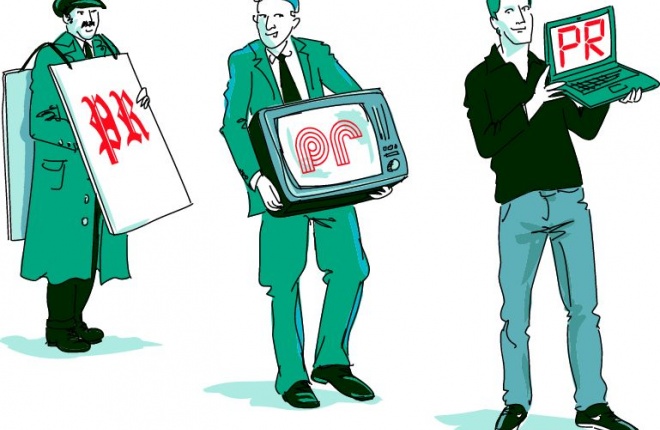
Let me start off by asking a question, how many of you actually know how public relations came to being? That question is something that is not talked about much in school nor does anyone really think/care about the history of PR if we are being honest. From personal experience, I have not heard any of my professors talk much about the background or the history of PR, so I decided to take a leap and see what I could find.
As I do not want this to sound like a history paper, I still think the history of communications and PR is quite interesting and needs to be recognized. The Museum of Public Relations has a historical timeline of public relations with information dating all the way back to 37000-17000 BC. Starting off there, the first ever forms of communication were cave drawings. These drawings were “hands and animals created by spraying or blowing pigment upon the wall.” These were located in El Castillo cave in northern Spain, southern France and the limestone caves of Indonesian Island of Sulawesi. From there, the printing process was introduced as well as the first start of PR techniques. After the introduction of PR in 1942, the profession took off in the 1960’s and is still booming today.
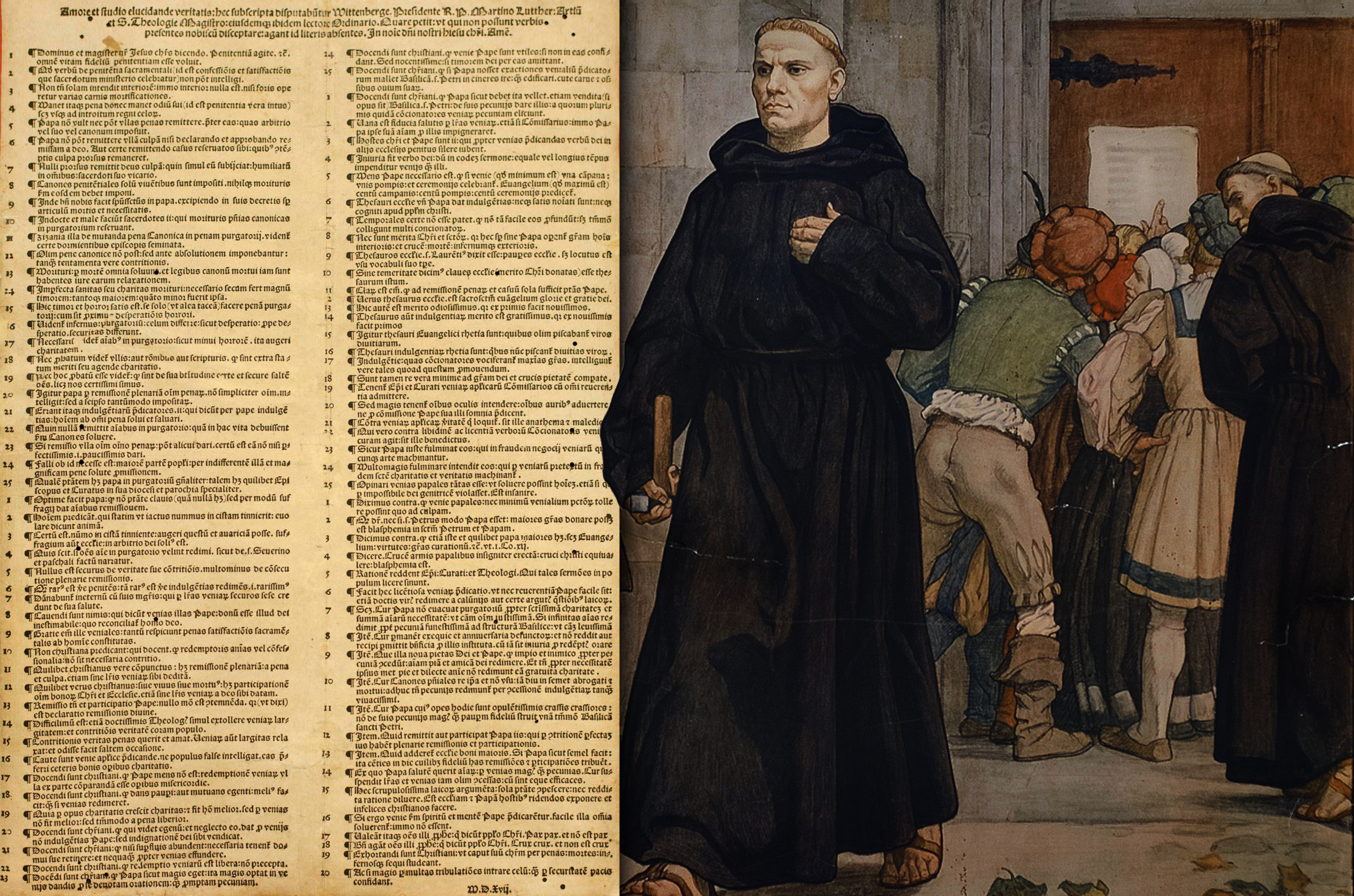
The Communication Director mentions that the Europeans were the ones who really started PR. There was a lot of pain from the war and they were “seeking a platform for international understanding and promotion of democracy through public relations strategies and practices.” One thing I found interesting that I wanted to point out was that during the rise of PR, women that had university degrees always came in second place to the journalists. They were placed in secretarial and assistant positions.
When researching a bit more, I found a journal article by the Journal of Public Relations Research that explained more about the history behind PR. The first PR agency was opened in 1960 in Barcelona at a time where the economy was growing. PR helped businesses make new contacts with better informed media and public opinion which contributed to an economic development and more teaching on the subject. Joaquin Maestre Morata and Juan Vinas Bona were two businessmen who started one of the first PR agencies. Their first customers were local and national groups from the consumer good industries and from there they had customers in the electrical and automobile industries. Their agency started small but ended up being something so much bigger than they had expected.
As we all know now, public relations is a widely known and appreciated practice today. Most universities offer PR as a career path now and I think that it is important that we recognize and appreciate the history behind it. Edelman, W2O Group and APCO Worldwide are just three names of the biggest PR agencies in the world today. I love what I am studying in school and my dream is to work in a company that large one day, therefore I believe it is important that we give recognition to the history of PR for making our dreams possible.
So now, I ask you the same question I asked before with hopes of a more knowledgeable answer, how many of you actually know how public relations came to being?
Watson, T. (2015). Time Marches On, and So Does the History of Public Relations. Journal of Public Relations Research, 27(3), 193–195. doi: 10.1080/1062726x.2015.1024253

Social media is a fast evolving industry and it has opened up a lot of opportunities to many businesses. The first thing I do when I wake up is check my social media accounts (which is such a bad habit, I know), but it just shows how much of an impact social media has. Social media hasn’t only made an impact on my life, but also the PR industry.
According to smallbizdaily, “Social media is a very informal mode of communication, and has become a “voice” of the brand.” Ryan Ayers believes that the biggest impact social media has had on the PR industry is by blurring the lines of marketing, PR, and customer service. “These channels are used to promote products and services, advertise, make company announcements, engage with customers, and address customer comments.” When PR pros are able to connect with their consumers on their complaints, it allows for a positive outcome. Consumers want fast feedback when they are dissatisfied.
When dividing deeper into social media and public relations, PR Daily explains five ways that social media has reshaped the PR industry.

When I think of social media and public relations, what comes to my mind is social media influencers. According to ScienceDirect, “A social media influencer (SMI) is a person who, through personal branding, builds and maintains relationships with multiple followers on social media, and has the ability to inform, entertain, and potentially influence followers’ thoughts, attitudes, and behaviors.” What social media influencers do is present information about the product and promote it in ways so that the people watching it want to buy the product. I watch a lot of influencers on YouTube, and many of them are apart of brand deals. For example, if a beauty influencer that I watched was to hype up an eyeshadow palette, I would most likely purchase the palette for myself. These influencers often have people that look up to them and trust them in a way. If they are talking highly about a product, most likely other people will purchase it.
Navarro, C., Moreno, A., Molleda, J. C., Khalil, N., & Verhoeven, P. (2020). The challenge of new gatekeepers for public relations. A comparative analysis of the role of social media influencers for European and Latin American professionals. Public Relations Review, 101881. doi: 10.1016/j.pubrev.2020.101881

Almost every business or company has had a scandal at least once and it is PR’s job to make sure that crisis doesn’t ruin their reputation. There is no way of telling when these crises are going to occur, but it is important that the public relations side of the company acts fast and takes control of the situation. I’m sure we can all remember the trend when teens and children were posting videos of themselves on the internet eating Tide pods, more specifically called the “Tide pod challenge”.
In the article, Brand Crisis Management: Responding to the Tide Pod Challenge, this “challenge” and its outcome is discussed in more depth. The company Procter & Gamble never thought that creating colorful pods that you put in a washing machine would result in people being rushed to the emergency room. There were 220 teens that were affected by this challenge according to The American Association of Poison Control.
Forbes also responded to this crisis with an article called “Four PR Lessons To Learn From The Tide Pod Challenge”, which mentions some of lessons that were learned after this challenge happened. A few things that you need to do in situations like these are plan for the unexpected, be reactive, be proactive and to consider your target audience. In the article “Responding to the Tide Pod Challenge”, Amercius Reed mentions that “It’s remarkable but not super shocking. Kids do dumb stuff, in fact, they always have — but only this generation has had the opportunity to showcase its behavior on social media.” Social media creates a type of peer pressure and the attention these kids were getting from these videos was exhilarating. Golbeck mentions in the same article “It’s got to be intoxicating as a teenager to have 20,000 people look at you and the thing that you did. There is this pressure and this responding desire to get positive feedback, to get attention — exactly the same mechanism that we see working in traditional, face-to-face peer pressure. But now you have this much bigger audience and the opportunity to get a lot more attention, and that makes it easy for these sorts of activities to spread.” In the scholarly article, “The Rationality of Literal Tide Pod Consumption”, one commentator of this crisis mentions that the problem is people are fooled by packaging that looks similar to food. As this is the case for some companies, it wasn’t the case for this one. “The underlying reason for adolescents to do this is to publicly engage in risk seeking behavior as a means of seeking status, and as such is very similar to adolescent substance abuse.” There were few that blamed Procter & Gamble for making their packaging look “appealing” but never once did they encourage such behavior.
This crisis was not in Procter & Gambles control, but the way they responded to it was. The Crisis Communication Model explains how companies should communicate in a crisis. It is obvious that Tide pods are not edible and that social media was the main problem in this situation. Since the videos have been posted, Procter and Gamble used corrective action and worked quickly with YouTube to get them removed. Reed mentions “From the perspective of brand crisis assessment, I think Tide did everything that you’re supposed to do. There are three things you’re supposed to do: You have to validate concerns. You have to show action. And you have to control the narrative.” One of the differences with the communication crisis model and Procter & Gables crisis is that the company did not apologize. They validated their concerns with eating the tide pods, but they did not hold themselves responsible, which I think was the correct thing to do. There have been many trends in the past few years that broke the internet. The cinnamon challenge, the ALS ice bucket challenge, and the tide pod challenge. As long as the concerns are raised about attempting these challenges, the companies cannot do much more when social media takes over.

Figure 10.5: How to Communicate in a Crisis
Since this challenge, the company has now turned it into something positive. There are many photos and gifs across the internet that show the dangers of attempting this challenge. I think that the company did an astounding job responding to this challenge and it even resulted in more customers and brand awareness. But, at the end of the day, please don’t eat Tide pods.
Murphy, R. H. (2019). The rationality of literal Tide Pod consumption. Journal of Bioeconomics, 21(2), 111–122. doi: 10.1007/s10818-019-09285-1
Wilcox, D. L., Cameron, G. T., & Reber, B. H. (2016). Public relations: strategies and tactics (11th ed.). Boston: Pearson.

Even if you don’t notice it, you research something almost everyday. Whether it’s a recipe or a news article, you are using the tool of researching. Research is important in many jobs, including those jobs related to public relations. Public relations relies greatly on research because it allows public relations professionals to conduct a quality plan using the knowledge they learned from the prior research. It is always important to research as much as you can before making any big decisions in my opinion because there is less room for error. The more knowledge you have on the matter, the better your outcome will be.
According to Steven Symes, research is very important when conducting a strategic public relations plan. When research is conducted properly, it can eliminate bias and it gives proper feedback on how the public views a company. If public relations professionals relied solely on their own biased opinions, they have no way of really knowing what needs to be improved. When a public relations plan has been put into play, additional research provides feedback on the actual public relations plan. Steven mentioned “Thorough research on groups the organization interacts with also supplies a list of media forms the different groups engage in, letting the organization know the most effective methods of delivering its message.” Research is important because it can show how effective the plan was on meeting the goals and objectives.
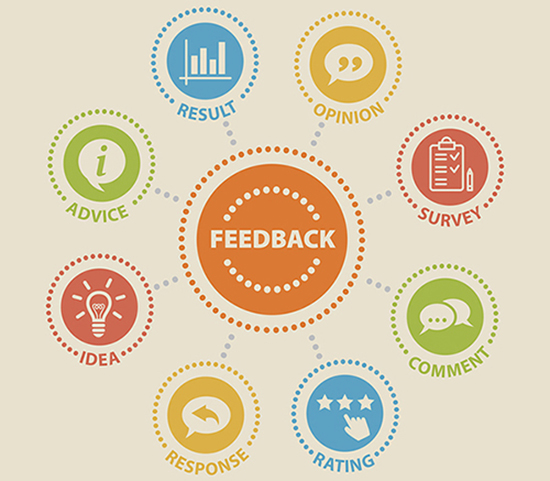
In the book review of The Importance of Research to Public Relations, Brigitta Brunner points out the key parts of the book that was written by Don Stacks. Stacks mentions that without a research plan, these public relations professionals can not adequately track, monitor, measure or evaluate their public relations program. One of the main key things Brunner pointed out was “Think of research (and data) as part of a continuous feedback/feedforward function: research planning and accurate data lead to valid assessments and analyses of public opinion, program effectiveness, and in the end may help to predict behavioral outcomes.” Research is a very necessary technical role needed for public relations plans to succeed.

There are two types of research that are beneficial to public relations according to Coriolan PĂUNESCU, those being applied research and theoretical research. Applied research is used to identify and evaluate the attitudes and opinions of the targeted audience which can determine how efficient the plan was. Theoretical research is the support of the applied research and can identify new directions of the investigation. There are five areas where research can be used, those being monitoring the environment in where the organization develops, general periodic checking of the activity, the community checking, the social checking and evaluative correcting.
I am taking COM 275 at Grand Valley State this semester which is Foundations of Communication Research and I really enjoy it because it is showing me how important research really is. I have learned that even when you think you know everything about a topic, research reassures you that there is always more to learn.
Brunner, B. R. (2003). The importance of research to public relations. Review of Communication, 3(4), 419–423. doi: 10.1080/1535859032000106327
PĂUNESCU, C. (2006). Research in public relations. Acta Universitatis Danubius: Oeconomica, 2(1), 123-127.
This is an example post, originally published as part of Blogging University. Enroll in one of our ten programs, and start your blog right.
You’re going to publish a post today. Don’t worry about how your blog looks. Don’t worry if you haven’t given it a name yet, or you’re feeling overwhelmed. Just click the “New Post” button, and tell us why you’re here.
Why do this?
The post can be short or long, a personal intro to your life or a bloggy mission statement, a manifesto for the future or a simple outline of your the types of things you hope to publish.
To help you get started, here are a few questions:
You’re not locked into any of this; one of the wonderful things about blogs is how they constantly evolve as we learn, grow, and interact with one another — but it’s good to know where and why you started, and articulating your goals may just give you a few other post ideas.
Can’t think how to get started? Just write the first thing that pops into your head. Anne Lamott, author of a book on writing we love, says that you need to give yourself permission to write a “crappy first draft”. Anne makes a great point — just start writing, and worry about editing it later.
When you’re ready to publish, give your post three to five tags that describe your blog’s focus — writing, photography, fiction, parenting, food, cars, movies, sports, whatever. These tags will help others who care about your topics find you in the Reader. Make sure one of the tags is “zerotohero,” so other new bloggers can find you, too.
Have a WordPress.com account? Log in now.

